How Sculptures Create Positive Vibes and Help Designers Close More Projects
- Home
- How Sculptures Create Positive Vibes and Help Designers Close More Projects
- How Sculptures Create Positive Vibes and Help Designers Close More Projects
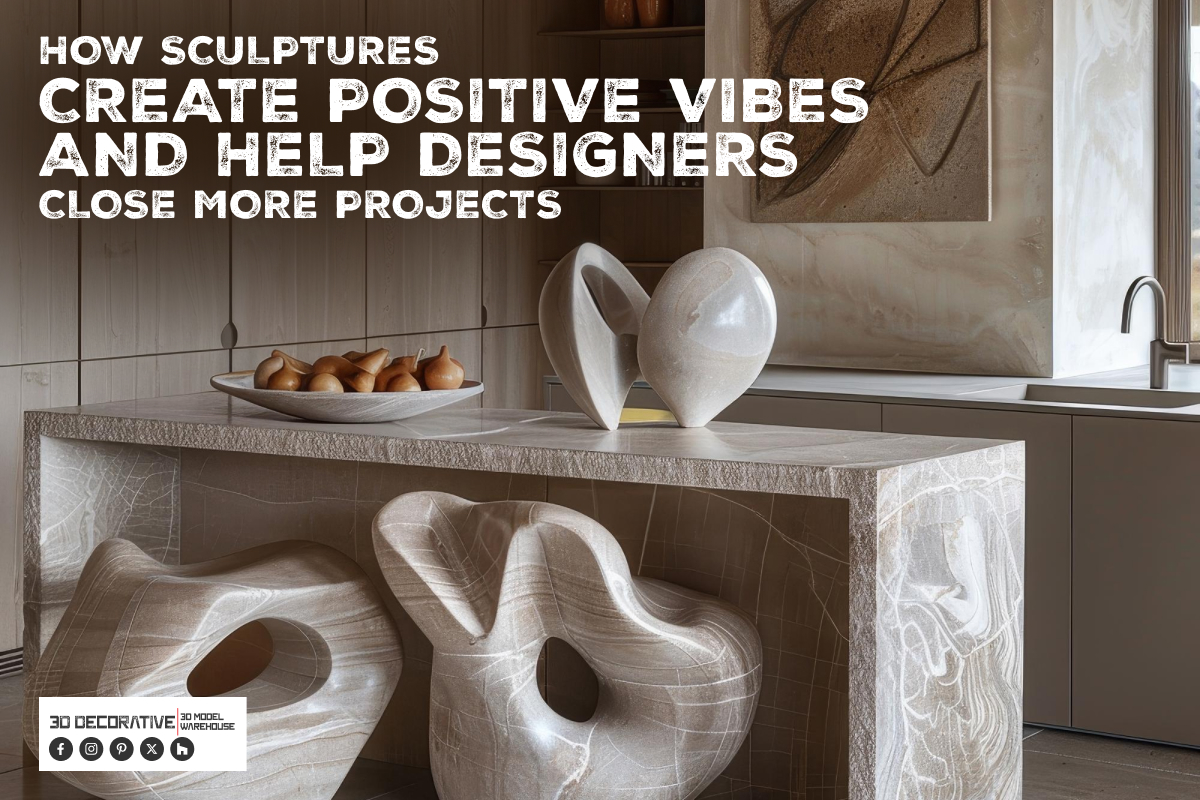
Interior design is not just about arranging furniture or selecting color palettes — it’s about creating spaces that resonate emotionally with clients. Every designer knows that when a client feels comfortable, inspired, or uplifted in a space, they’re more likely to approve designs, invest in premium elements, and refer to future business. One of the most underrated yet powerful tools to achieve.
Sculptures, whether modern, classical, or abstract, do far more than decorate. They bring energy, depth, and meaning to interiors, often leaving a lasting impression on clients. For interior designers or Kitchen designer, strategically incorporating it can create positive vibes that not only elevate design aesthetics but also help close more projects successfully.
In this blog, we’ll explore how sculptures influence psychology, how they add value to design projects, and five inspiring ideas that can transform interiors while strengthening client trust.
The Psychology of Sculptures in Interior Design
Humans are naturally drawn to art forms. With their three-dimensional presence, add a tactile and emotional quality to interiors that flat surfaces like paintings often cannot achieve. Here’s how they influence the mind:
- Positive Energy and Mood Enhancement
It often evoke a sense of calm, inspiration, or even curiosity. For example, fluid abstract sculptures with smooth curves can soften the energy of a room, while geometric or angular pieces create focus and strength. When clients walk into a space and feel these emotions, they associate the design with positivity. - Sense of Permanence and Stability
Unlike wall décor or accessories, sculptures have a physical weight and presence. They subtly communicate durability and thoughtfulness, which assures clients that the designer has curated the space with depth and intention. - Conversation Starters
It naturally attract attention. Clients tend to ask about them, which opens the door for designers to explain their vision and show expertise. This helps create an emotional connection between the client and the design concept. - Cultural and Personal Connection
Sculptures can reflect cultural influences, personal tastes, or even symbolic meanings. A designer who introduces the right piece shows clients that their individuality is being honored, which increases the chances of project approval.
Why It Help Designers Close More Projects
For interior designers, every project is a blend of creativity and business. Sculptures can play a decisive role in winning client trust and speeding up approvals:
- Visualizing Value: When sculptures are included in design renders (especially using 3D models), clients see the added sophistication, making the design feel premium.
- Emotional Engagement: Clients who feel emotionally connected to a space are less likely to request excessive changes, making project closure faster.
- Upselling Opportunity: It open opportunities for designers to suggest premium accessories and finishes, increasing the project’s overall value.
- Memorable Presentation: A design with a unique sculpture is often remembered better than one with standard décor. This gives designers a competitive edge during client presentations.
5 Inspiring – That Bring Positive Energy to Interiors
To guide designers, here are five sculpture categories that work exceptionally well in interiors. Each carries its own energy and helps in creating positive vibes for clients.
1. Abstract Flowing Sculptures – Symbol of Creativity and Calm
Abstract sculptures with flowing lines, circular motions, or spiral shapes create a sense of continuity and harmony. These pieces are especially powerful in living rooms, lounges, or entryways where first impressions matter most.
- Why Designers Should Use Them: They soften rigid layouts and help clients feel relaxed.
- Client Impact: Projects feel modern yet inviting, giving clients confidence that the design is both stylish and comfortable.
2. Nature-Inspired Sculptures – Bringing the Outdoors Inside
From stone-carved leaves to metal trees and animal-inspired art, nature-based sculptures infuse spaces with freshness and vitality. They connect clients with natural energy, reducing stress and increasing comfort.
- Why Designers Should Use Them: Perfect for wellness-focused projects, spas, or eco-conscious interiors.
- Client Impact: Clients associate these designs with positivity, balance, and sustainable values — a strong selling point.
3. Minimalist Geometric Sculptures – Clean, Modern Energy
Geometric sculptures made of marble, concrete, or metal reflect order and precision. Their minimal yet impactful presence is ideal for contemporary spaces or offices.
- Why Designers Should Use Them: They project professionalism and modernity.
- Client Impact: Clients feel their space is cutting-edge and organized, which translates into trust in the designer’s technical skill.
4. Cultural or Spiritual Sculptures – Adding Meaning and Positivity
Buddha busts, Greek figures, or traditional ethnic sculptures bring depth and spirituality to interiors. These pieces often symbolize peace, wisdom, or prosperity.
- Why Designers Should Use Them: Helps in creating culturally resonant or themed interiors.
- Client Impact: Clients feel emotionally connected and uplifted, making them more enthusiastic about finalizing designs.
5. Statement Sculptures – The Focal Point of Any Space
Large-scale or unique statement pieces can transform a space entirely. They act as a visual anchor that defines the design’s character.
- Why Designers Should Use Them: Perfect for lobbies, grand living rooms, or gallery-like interiors.
- Client Impact: Creates a “wow factor” that impresses clients instantly and often leads to faster approvals.
How Designers Can Use Sculptures Strategically
To make the most of sculptures in design presentations and projects, here are a few strategies:
- Include Sculptures in 3D Renders
Using high-quality 3D sculpture models allows clients to visualize how the piece fits into their space before purchase. This reduces hesitation and makes approvals quicker. - Highlight Symbolism During Presentations
Instead of presenting sculptures as décor, explain their meaning and energy. For example: “This circular abstract sculpture represents continuity and balance, which will make your living area feel more welcoming.” - Balance Scale and Placement
Sculptures should not overwhelm the design. A large piece may suit a hotel lobby, while smaller pieces are perfect for residential interiors. - Combine with Lighting
Spotlights or accent lighting can enhance a sculpture’s presence, creating dramatic visual effects that impress clients. - Offer Options for Customization
Suggest different materials or finishes for sculptures — marble, wood, or bronze. This flexibility makes clients feel more involved in the design.
Why Sculptures and 3D Models Are a Perfect Match
In today’s design world, digital tools play a vital role. Designers who can showcase sculptures as 3D models during presentations have a strong advantage.
- Realistic Previews: Clients can see exactly how a sculpture will look in their room.
- Experiment with Placement: Move sculptures in virtual space to test positioning.
- AR Integration: With AR, clients can even visualize sculptures in their real homes before approving.
- Access to Variety: A digital library of 3D models offers countless options without the need to physically source sculptures.
This is exactly where platforms like 3D Decorative make a difference. By providing ready-to-use 3D sculpture models, designers save time, impress clients, and close projects faster.
Final Thoughts
For interior designers, success depends not just on creativity but also on building client trust and closing projects efficiently. Sculptures offer a unique advantage — they bring positive vibes, emotional depth, and visual impact that transform designs from good to unforgettable.
Whether it’s a calming abstract piece, a nature-inspired form, or a bold statement sculpture, these artistic elements help clients connect with spaces on a deeper level. And when clients feel that connection, they are far more likely to say “yes” to your design.
By combining sculptures with digital tools like 3D models and AR visualization, designers can deliver both inspiration and assurance. That’s the winning formula: happy clients, faster approvals, and more successful projects.